


Yes. Dirty air ducts can cause or worsen respiratory infections, asthma attacks, allergies, sinus problems, headaches, fatigue, and skin irritation. They can also spread mold spores, bacteria, and pest allergens through your entire home every time the HVAC runs.
If you feel worse at home than you do anywhere else, dirty ductwork could be the culprit. Here’s an honest look at how contaminated air ducts affect your health and when to do something about it.
What Lives Inside Dirty Air Ducts
✓ Dust mites and their droppings (a top indoor allergen)
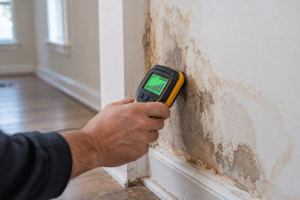
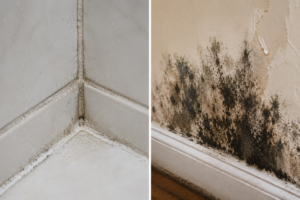
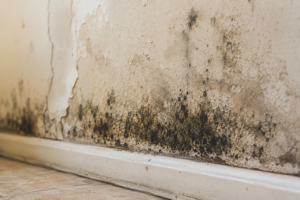
✓ Mold and mildew spores from condensation
✓ Bacteria and viruses in moist conditions
✓ Rodent and insect droppings and dander
✓ Pet hair and dander from current or past pets
✓ Pollen, smoke, and outdoor pollutants
✓ VOCs from cleaning products and renovation residue
Common Symptoms Linked to Dirty Ductwork
Respiratory Symptoms
✓ Persistent coughing or wheezing
✓ Shortness of breath, especially indoors
✓ Worsening asthma attacks
✓ Frequent sinus infections
Allergy Symptoms
✓ Itchy or watery eyes
✓ Sneezing fits when HVAC kicks on
✓ Skin rashes or hives
✓ Congestion that improves outdoors
General Symptoms
✓ Recurring headaches or sinus pressure
✓ Unexplained fatigue at home
✓ Brain fog or trouble concentrating
✓ More frequent colds, especially in winter
Who Is Most At Risk?
Some groups are more vulnerable to contaminated indoor air:
✓ Children—they breathe faster and have developing lungs
✓ Elderly adults
✓ People with asthma, COPD, or heart disease
✓ Immunocompromised individuals
✓ Pregnant women
When to Take It Seriously
Don’t wait for the next scheduled cleaning if you see any of these:
✓ Visible mold at any vent or register
✓ Black or gray dust streaks on ceilings around vents
✓ Rodent droppings, insect carcasses, or nesting material
✓ A musty or sour smell when the system runs
✓ Family members getting sick repeatedly without explanation
Frequently Asked Questions
Can dirty air ducts cause headaches?
Yes, mold spores, dust, and VOCs circulating from dirty ducts are known migraine and sinus headache triggers.
Can mold in air ducts kill you?
Most household molds aren’t lethal, but long-term exposure to mycotoxins from black mold (Stachybotrys) can cause serious respiratory damage and is especially dangerous for vulnerable people.
How can I test my indoor air quality?
Use an indoor air quality monitor for particulates and humidity. For mold, professional air sampling gives the most accurate read.
Will cleaning ducts make me feel better?
If your symptoms are duct-related, most people notice improvement within 1–2 weeks after cleaning. If symptoms persist, see a doctor and check other indoor air sources.