

Water doesn’t wait. Within hours of a leak or flood, moisture begins seeping into drywall, insulation, subfloors, and framing. Within 24–48 hours, mold can begin to grow especially in Vermont and New Hampshire homes, where cool, damp conditions are the norm for much of the year.
The longer water sits, the deeper it penetrates and the more expensive the damage becomes. Acting fast isn’t just good advice, it’s the difference between a $3,000 job and a $30,000 one.
Make Sure It’s Safe to Enter
Before you do anything else, assess the situation for safety.
Turn off electricity to affected areas at the breaker panel if there’s any chance water has reached outlets, wiring, or appliances. Never walk into a flooded room with live electricity.
Check for structural damage. If ceilings are sagging or walls are bowing, stay out and call a professional immediately.
Smell for gas. If you suspect a gas leak alongside water damage, leave the house and call your utility company before anything else.
Once it’s safe to enter, you can begin damage control.
Stop the Water Source
You can’t fix water damage while it’s still happening. Find and stop the source immediately.
Burst pipe: Turn off the main water shutoff to your home. Know where it is before you ever need it in most Vermont and New Hampshire homes, it’s in the basement near the foundation or where the water line enters.
Appliance leak: Pull the appliance away from the wall and turn off its individual shutoff valve (usually behind or beneath it).
Roof leak: Place buckets to catch dripping water and cover the roof area with a tarp if accessible and safe to do so.
Flooding from outside: Sandbags or water diversion may help if water is still actively entering.
If you can’t find or stop the source, call a plumber immediately while you begin removing water.
Document Everything Before You Touch Anything
This step is non-negotiable if you plan to file an insurance claim.
Before moving furniture, pulling up carpet, or removing anything from the affected area:
- Take video and photos of every affected room from multiple angles.
- Photograph the source of the damage (the pipe, the appliance, the ceiling where the roof leaked).
- Document the water line level on walls if applicable.
- List every damaged item with estimated value.
Your insurance adjuster will need this documentation. Removing or discarding damaged property before documenting it can jeopardize your claim.
Remove Standing Water Immediately
Every minute of standing water causes exponential damage. Once documented, start removing water as quickly as possible.
For small amounts of water (puddles, minor leaks):
- Use towels, mops, and wet/dry vacuums.
- Wring and dispose of soaked materials into buckets.
For significant flooding:
- Rent or use a submersible pump if you have one.
- Call a professional water restoration company. They have truck-mounted extraction equipment that removes hundreds of gallons per hour, far more than any consumer tool.
- Do not use a regular household vacuum for water removal this is a fire hazard and will destroy the machine.
Begin Drying the Space
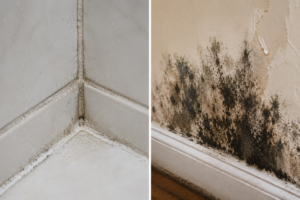
Removing standing water is only the beginning. The moisture that has soaked into your walls, floors, and contents must also be extracted and dried otherwise mold follows within 24–48 hours.
What you can do immediately:
- Open windows and doors if outdoor conditions allow (avoid opening in high humidity or rain).
- Run fans to circulate air throughout the wet space.
- Run your HVAC system on a warm, dry setting if it hasn’t been affected.
- Place a dehumidifier in the room if you have one.
What professionals do that you can’t:
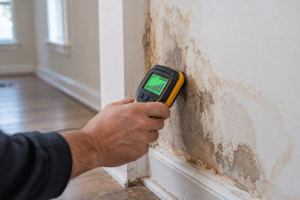
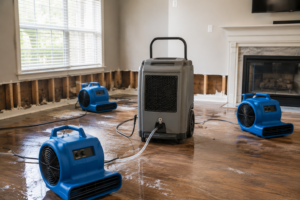
Restoration companies use industrial air movers and commercial dehumidifiers that pull moisture from inside walls and subfloors moisture that fans simply can’t reach. They also use thermal imaging cameras to find hidden wet spots behind drywall before they turn into mold colonies.
If the affected area is more than one small room, professional drying equipment is strongly recommended.
Protect Furniture and Contents
Move furniture, rugs, electronics, documents, clothing, and valuables out of the wet area as quickly as possible.
- Elevate furniture that can’t be moved by placing aluminum foil or wood blocks under the legs to prevent further wicking.
- Remove rugs and area carpets soaked rugs can be dried and saved if addressed immediately, but they will cause subfloor damage and grow mold if left in place.
- Move electronics and documents to a dry area. Do not power on electronics that have been exposed to water until they’ve been thoroughly dried and inspected.
- Separate wet items from dry ones to prevent moisture from spreading.
Call Your Insurance Company
Most homeowner’s insurance policies cover sudden and accidental water damage like a burst pipe but not gradual leaks or flooding from outside (which typically requires separate flood insurance).
Call your insurance company as soon as possible to:
- Open a claim.
- Get your claim number.
- Understand your coverage and deductible.
- Ask whether they need to send an adjuster before restoration work begins.
Many insurance companies now allow restoration work to begin immediately to prevent further damage but get this confirmed in writing or via a recorded call.
A good restoration company like Top Cleaning & Restoration can also work directly with your insurance adjuster and help document the scope of damage, which speeds up claim processing.
Call a Professional Water Restoration Company
Even if you’ve done everything above, professional help is almost always necessary for anything beyond a very minor, contained water incident.
Here’s what a professional restoration team brings that you simply cannot replicate on your own:
- Truck-mounted water extraction that removes far more moisture than rental equipment
- Industrial drying equipment (air movers + dehumidifiers) calibrated for your home’s size
- Moisture meters and thermal cameras to find hidden wet spots before they grow mold
- Antimicrobial treatment to prevent mold growth in porous materials
- Structural drying of walls, subfloors, and framing
- Full documentation for insurance purposes
In Vermont and New Hampshire, where temperatures can drop quickly and humidity levels vary dramatically by season, professional drying is especially important. Cold temperatures slow evaporation, and damp conditions persist longer creating ideal conditions for mold.
Our team at Top Cleaning & Restoration offers 24/7 emergency response throughout the Northeast Kingdom of Vermont and Northern New Hampshire. We’re typically on-site within hours of your call, not days.
→ → Learn more about our Water Damage Restoration services
What NOT to Do After Water Damage
Knowing what to avoid is just as important as knowing what to do.
Don’t use a regular vacuum or shop vac on deep standing water it’s not designed for it and poses electrical hazards.
Don’t turn on ceiling fans if the ceiling is wet this can spread moisture and may be electrically dangerous if wiring is compromised.
Don’t use a gas or propane heater indoors to speed drying this is a fire and carbon monoxide hazard.
Don’t wait to call your insurance company delays can complicate or reduce your claim.
Don’t discard damaged property before documenting it even if something seems unsalvageable, photograph it first.
Don’t assume carpet or drywall is fine if it “doesn’t look that wet” moisture penetrates far deeper than what’s visible on the surface.
How Long Does Water Damage Restoration Take?
The timeline depends on the severity of the water damage and how quickly the response began. As a general guideline:
Water extraction: 1–2 hours for most residential situations
Structural drying: 3–5 days for most homes with professional equipment
Repairs and restoration: 1–2 weeks depending on the scope
Acting within the first few hours dramatically shortens this timeline and reduces overall cost.
Frequently Asked Questions
Can water damage cause mold in 24 hours?
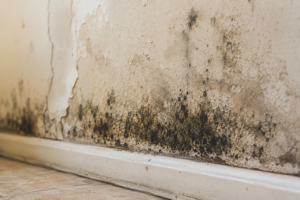
Yes. Mold can begin growing within 24–48 hours on wet porous materials like drywall, wood, and carpet especially in humid or poorly ventilated areas.
What should I do if my basement floods?
First ensure electricity is off. Then begin pumping or extracting water and call a professional restoration company immediately. Basements are the most vulnerable area for mold growth due to limited airflow.
Will my homeowner’s insurance cover water damage?
Most standard homeowner’s policies cover sudden and accidental water damage (like a burst pipe) but not flooding from outside or gradual leaks. Check your specific policy and call your insurer as soon as possible.
How do I know if water damage has reached the walls?
Visible signs include bubbling or peeling paint, soft drywall, discoloration, or a musty smell. However, moisture inside walls often isn’t visible. Professional technicians use moisture meters and thermal cameras to detect it accurately.
Should I stay in my home during water damage restoration?
In most cases yes, unless the damage is severe, there is structural compromise, or mold is present. Your restoration company can advise on this.
The first 24 hours after water damage are the most critical. Stop the source, document the damage, remove water, begin drying, call your insurance company, and get professional help on the way. The faster you act, the more you protect your home and your wallet. If you’re dealing with water damage right now in Vermont or New Hampshire, don’t wait. Our team at Top Cleaning & Restoration is available 24/7 for emergency water restoration response.