


If you’ve noticed a bad smell coming from just one vent in your house, you’re not imagining it and you’re not alone. This is a common issue homeowners face, especially during seasonal changes when heating or cooling systems are used more frequently.
A single smelly vent often points to a localized problem inside the ductwork, nearby HVAC components, or the room connected to that vent. Understanding what’s causing the odor is the first step toward fixing it and preventing it from spreading throughout your home.
Can One Air Vent Really Cause a Smell in the House?
Yes absolutely.
Your HVAC system circulates air through a network of ducts, but each vent connects to a specific section of that system. When a smell comes from only one vent, it usually means the source is isolated to that duct branch or the space around it.
As air moves through the system, odors trapped in that area can be pushed directly into the room, making the smell noticeable every time the system runs.
Common Reasons for a Bad Smell Coming From One Vent
Mold or Mildew Inside the Duct
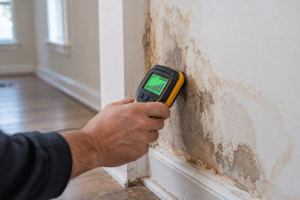
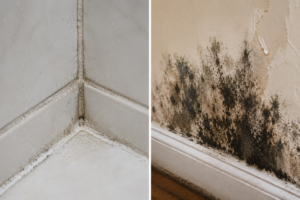
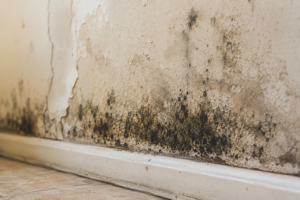
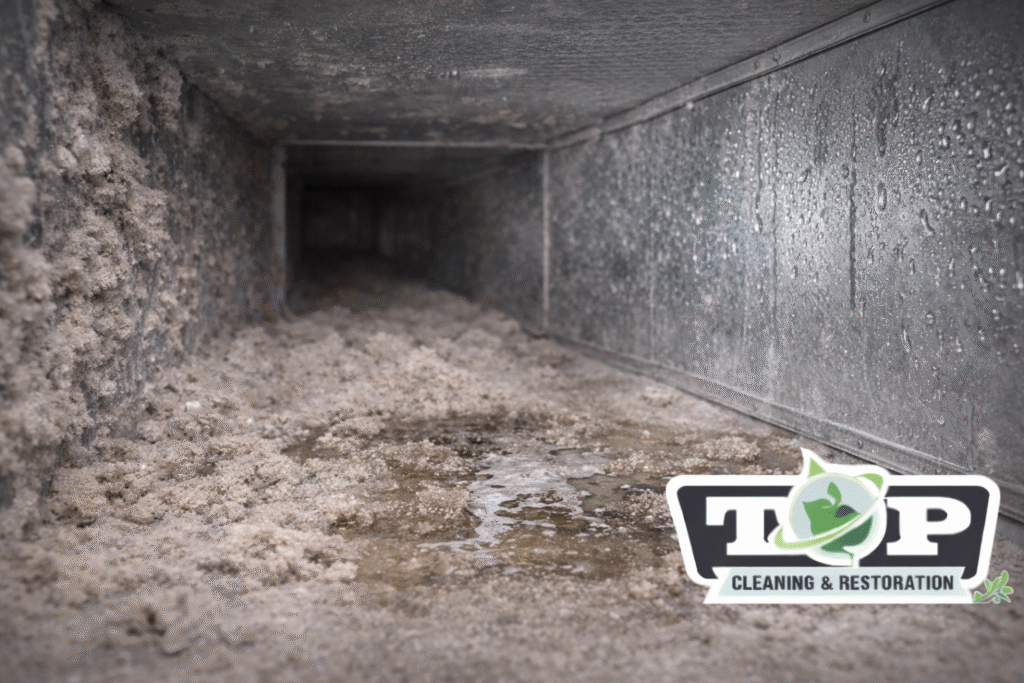
One of the most common causes is moisture buildup inside a specific section of ductwork. Condensation can form near vents located in bathrooms, basements, or exterior walls. Over time, this moisture can lead to mold or mildew growth, producing a musty or damp odor.
Dust and Debris Accumulation
If one vent hasn’t been cleaned properly or sits at the end of a duct run, dust and debris can build up more heavily there. When air passes through, that buildup releases a stale or dirty smell.
Pest or Animal Activity
Unfortunately, small animals or insects sometimes find their way into ductwork. If something becomes trapped or nests near one vent, it can cause a strong, unpleasant odor that doesn’t appear elsewhere in the house.
Plumbing or Sewer Odors Nearby
In some cases, the vent is located close to a plumbing line or drain. Dry traps, leaks, or ventilation issues can allow sewer or sulfur-like smells to be pulled into the HVAC system and released through a single vent.
Burnt or Electrical Smells
A burning or metallic smell may indicate dust on heating components, insulation issues, or electrical problems near that vent. These odors should never be ignored.
Types of Smells and What They Usually Mean
Different odors can point to different issues:
- Musty or damp smell – Moisture, mold, or mildew
- Rotten or dead animal smell – Pest activity
- Sewer or sewage smell – Plumbing or drain issue
- Burning smell – Electrical or heating component issue
- Smoke or stale odor – Dust buildup or past smoke exposure
Identifying the type of smell helps narrow down the cause faster.
Why the Smell Gets Worse When the System Runs
If the odor becomes stronger when your heating or cooling system turns on, that’s a clear sign the HVAC system is actively pulling air across the source and pushing it into the room.
Even if the smell seems minor at first, continued airflow can spread it further into the duct system over time.

How to Stop a Bad Smell From Coming Through One Vent
Check the Vent Cover and Surrounding Area
Start by removing the vent cover and cleaning it thoroughly. Look for visible dust, moisture, or debris inside the opening.
Replace or Check Air Filters
Dirty filters can worsen odors by allowing more contaminants to circulate. A fresh filter improves airflow and reduces odor movement.
Inspect Nearby Rooms and Drains
If the vent is near a bathroom, laundry room, or basement, check for dry drains or leaks that could be contributing to the smell.
Schedule Professional Air Duct Cleaning
If the smell persists or keeps returning, professional air duct cleaning is often the most effective solution. It removes built-up dust, debris, and odor-causing contaminants from inside the ductwork especially in isolated sections that homeowners can’t reach.

When a Smelly Vent Becomes a Health Concern
Persistent odors, especially musty, moldy, or sewage-like smells can impact indoor air quality. While not every odor is dangerous, long-term exposure to contaminated airflow can aggravate allergies, respiratory irritation, and general discomfort.
Addressing the problem early helps protect both comfort and health.
Final Thoughts: Don’t Ignore a Smell Coming From One Vent
A bad smell coming from one vent in your house is usually a sign of a localized issue that needs attention. While simple cleaning may help in some cases, ongoing odors often require deeper inspection and cleaning of the duct system.
The sooner the source is identified and resolved, the easier it is to prevent the smell from spreading and affecting the rest of your home.