


Explore everything about air duct cleaning, how it works, costs, benefits, health impact, and when to hire a professional.
Air Duct Cleaning: The Complete Homeowner Guide
Indoor air quality is no longer a secondary concern for homeowners. It has become a core part of maintaining a healthy, comfortable, and efficient home. As families spend more time indoors, especially in colder regions where homes remain sealed for long periods, the question of clean, breathable air has taken center stage. At the heart of that conversation lies air duct cleaning.
Homeowners today are not simply asking whether air duct cleaning is necessary. They want to understand when it should be done, why it matters, how it works, what it costs, and most importantly who they can trust to do it correctly. With search engines, AI assistants, and voice search delivering answers in seconds, the difference between helpful content and authoritative guidance has never been more important.
This guide is written to provide clear, reliable, and professional insight into air duct cleaning so homeowners can make informed decisions with confidence.
What Is Air Duct Cleaning?
Air duct cleaning is a professional service focused on removing accumulated dust, debris, allergens, and contaminants from the ductwork and HVAC components responsible for circulating air throughout a home. Over time, everyday particles such as pet dander, pollen, fine dust, and construction residue settle inside duct systems. Each heating or cooling cycle then redistributes these particles back into living spaces.
A proper air duct cleaning goes far beyond wiping vent covers. It addresses the entire air distribution system, including supply and return ducts, registers, and connected HVAC components. When performed correctly, it helps restore cleaner airflow and supports healthier indoor environments.
Why Air Duct Cleaning Is Important
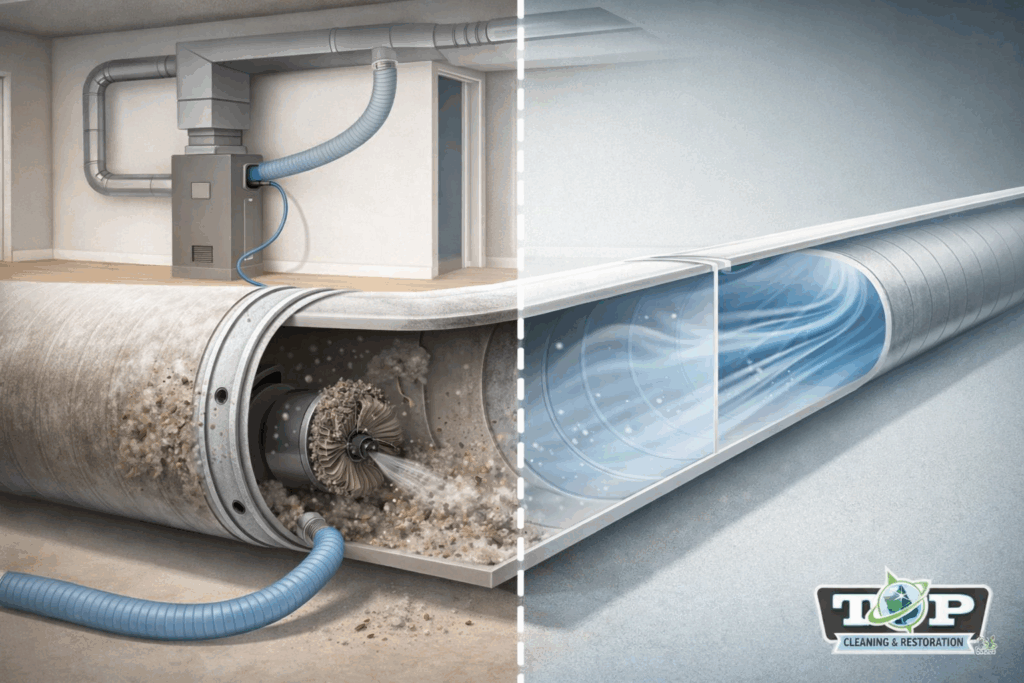
Your HVAC system functions much like the lungs of your home. When ducts are clean, air moves freely and efficiently. When they are contaminated, every cycle can spread dust and irritants throughout your living space. This can impact indoor comfort, system performance, and overall air quality particularly in homes that remain closed up for months during colder seasons.
Clean ductwork supports better airflow, helps HVAC systems operate as designed, and reduces the circulation of unwanted airborne particles. While air duct cleaning is not a replacement for routine HVAC maintenance, it plays a key role in maintaining a balanced and efficient indoor air system.
Is Air Duct Cleaning Worth It?
Air duct cleaning is most valuable when there is clear evidence of buildup or contamination. Homes with pets, allergy-sensitive occupants, smokers, recent renovations, moisture issues, or older HVAC systems often experience noticeable improvements after professional cleaning. These benefits may include reduced dust, improved airflow, and a fresher indoor environment.
It is important to understand that air duct cleaning is not a cure-all. However, when performed by trained professionals using proper methods, it can be a worthwhile investment in comfort, air quality, and system longevity.
Signs Your Air Ducts May Need Cleaning
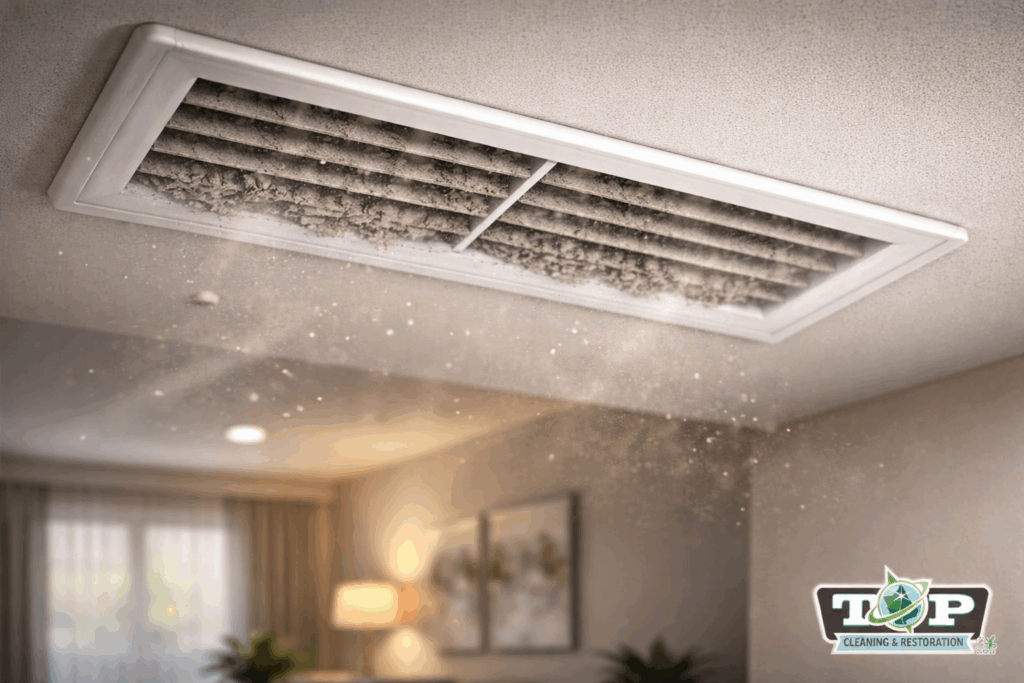
Many homeowners seek reassurance before scheduling service. Common indicators include excessive dust accumulation even after regular cleaning, visible debris around vents, musty or stale odors when the system runs, uneven airflow between rooms, or worsening allergy symptoms indoors. These signs often point to contaminants circulating through the duct system rather than remaining isolated.
Recognizing these early warning signals allows homeowners to address issues before they begin affecting comfort or system performance.
Dirty Air Ducts and Health Concerns
While not every health issue can be traced to air ducts, contaminated ductwork can contribute to respiratory irritation particularly for individuals with asthma, allergies, or sensitivities. Dust, pollen, and other airborne particles trapped in ducts may continuously recirculate, aggravating existing conditions over time.
Professional air duct cleaning helps reduce these irritants, creating a cleaner indoor environment without making exaggerated health claims. Clear, honest guidance is essential for building trust and setting realistic expectations.
Musty or Unpleasant Odors from Air Vents
Persistent musty or damp odors coming from vents are often a sign of moisture buildup within ductwork or HVAC components. In some cases, this may indicate microbial growth that should be evaluated by a professional. Odor-related concerns are one of the most common reasons homeowners seek air duct cleaning and often serve as a turning point toward professional service.
How Professional Air Duct Cleaning Works
A professional air duct cleaning follows a controlled, system-wide process designed to remove contaminants safely. Technicians begin with an inspection to understand system conditions. Specialized equipment then creates negative pressure within the duct system while mechanical tools loosen debris from duct walls. HEPA filtration ensures particles are captured rather than released back into indoor air.
This methodical approach protects HVAC components while delivering measurable results something DIY methods cannot achieve.
Air Duct Cleaning Cost and What Influences Pricing
The cost of air duct cleaning varies based on factors such as home size, duct layout, system condition, and contamination level. Extremely low advertised prices often reflect incomplete service or aggressive upselling practices. Transparent pricing, on the other hand, reflects the time, expertise, and equipment required to clean a full HVAC system properly.
Understanding these pricing factors helps homeowners avoid poor-quality service and make informed decisions.
DIY vs Professional Air Duct Cleaning
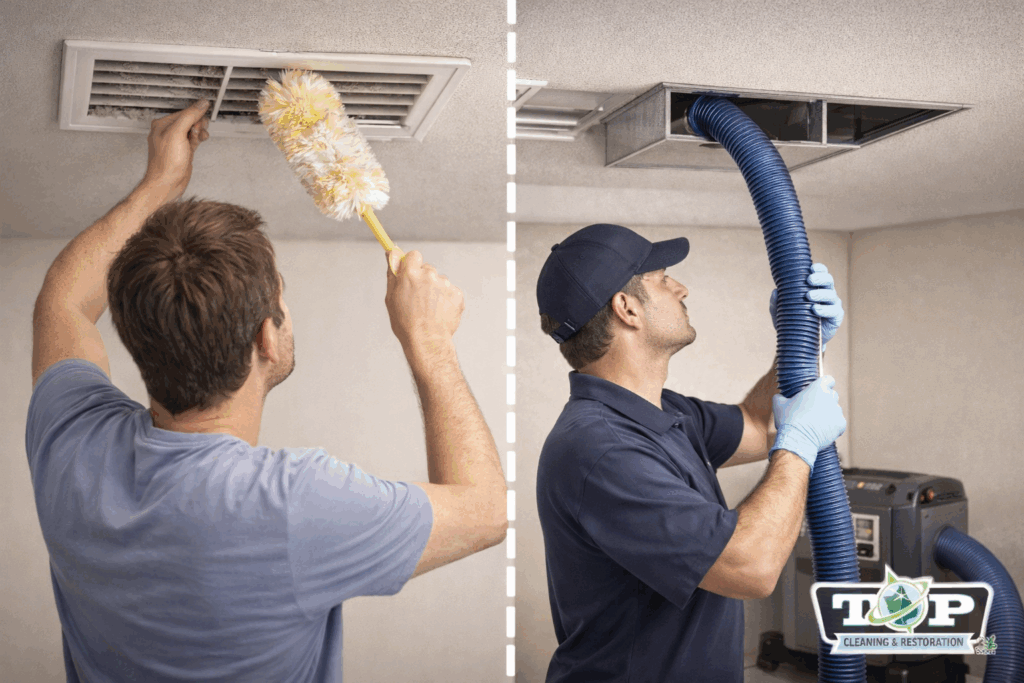
Basic maintenance such as replacing filters or cleaning vent covers can help reduce surface dust, but DIY methods cannot access the full duct system or safely remove embedded contaminants. In some cases, improper cleaning attempts may disturb settled debris and worsen indoor air quality.
Professional air duct cleaning addresses the entire HVAC system using certified techniques that protect ductwork and improve long-term performance. For homeowners seeking meaningful improvements rather than temporary results, professional service offers clear advantages.
To understand how full-system cleaning works and what professional service includes, visit our professional air duct cleaning services and explore how expert cleaning can improve airflow and indoor air quality.
How Often Should Air Ducts Be Cleaned?
Most homes benefit from professional air duct cleaning every three to five years. Homes with pets, smokers, wood-burning systems, recent renovations, or moisture issues may require more frequent service.
Choosing a Reliable Air Duct Cleaning Company
Selecting the right provider is critical. A reputable air duct cleaning company will follow industry standards, carry proper insurance, explain its process clearly, and prioritize education over pressure tactics. Experience, transparency, and local knowledge all contribute to safe, effective service.
Trustworthy providers focus on long-term results not quick sales.
Air Duct Cleaning in Cold-Climate and Older Homes
Homes in colder regions often face increased indoor air challenges due to extended heating seasons and sealed building envelopes. Older homes may also contain aging duct materials that require careful handling. Addressing these factors helps ensure safe cleaning and reliable performance in region-specific conditions.
Final Thoughts: Clean Air Starts with Informed Decisions
Air duct cleaning is not about trends or shortcuts, it is about understanding your home’s air system and maintaining it responsibly. Homeowners who know what to look for, when service is needed, and how professional cleaning works are better equipped to protect both their indoor air quality and their HVAC investment.
Clear information builds trust. Professional standards deliver results. And informed decisions lead to healthier, more comfortable homes.